
Art Therapy
Exploring the Benefits of Art Therapy in Australia
In a world that often asks us to move faster, explain ourselves clearly, and hold everything together, art therapy offers a gentle pause. It is a space where words are not required, perfection is not expected, and healing unfolds naturally through creativity.
Across Australia, art therapy is becoming increasingly valued as a whole-person approach to wellbeing, supporting mental, emotional, physical, and social health. Whether in hospitals, community spaces, schools, disability services, aged care, or private practice, art therapy invites people of all ages to reconnect with themselves in a safe and compassionate way.
A Safe Place for Emotional Expression
Sometimes feelings are too big, too complex, or too painful to put into words. Art therapy gently bypasses the need to explain. Through colour, shape, texture, and movement, emotions can be expressed without judgement.
This can be especially supportive for people living with anxiety, depression, grief, trauma, or chronic stress. The creative process itself often brings a sense of calm, helping the nervous system settle and allowing emotions to be explored at a pace that feels safe.
Healing Beyond Words
Art therapy is deeply inclusive. It supports children, neurodivergent individuals, people with disability, and anyone who finds verbal communication challenging. There is no “right” way to create — only your way.
In Australia, art therapy is widely used with:
-
Children navigating big feelings
-
NDIS participants seeking self-expression and regulation
-
Trauma survivors who need gentle, non-verbal support
-
Older adults experiencing memory changes or isolation
Creativity becomes a bridge — connecting inner experience with the outer world.
Nurturing the Mind and Body
The benefits of art therapy extend beyond emotional wellbeing. Engaging in creative activities can improve focus, memory, and problem-solving, while also supporting fine motor skills and coordination.
For many people, simply making art brings joy, confidence, and a renewed sense of purpose. Completing a piece — no matter how simple — can remind us that we are capable, creative, and worthy.
Building Connection and Belonging
Art therapy also nurtures connection. Group sessions can gently reduce feelings of loneliness, offering shared creative experiences where people feel seen and understood without pressure to perform.
In community settings across Australia, art therapy fosters belonging, empathy, and mutual support — reminding us that healing doesn’t always happen alone.
A Holistic Path to Wellbeing
At its heart, art therapy honours the whole person. It doesn’t aim to “fix” anyone. Instead, it creates space for curiosity, self-discovery, and compassion.
It complements traditional healthcare beautifully, supporting individuals alongside counselling, medical care, and community support services. Many Australians now access art therapy through private practice, community programs, and NDIS-funded supports.
A Gentle Invitation
You don’t need to be “good at art” to benefit from art therapy. You only need to be open to showing up — exactly as you are.
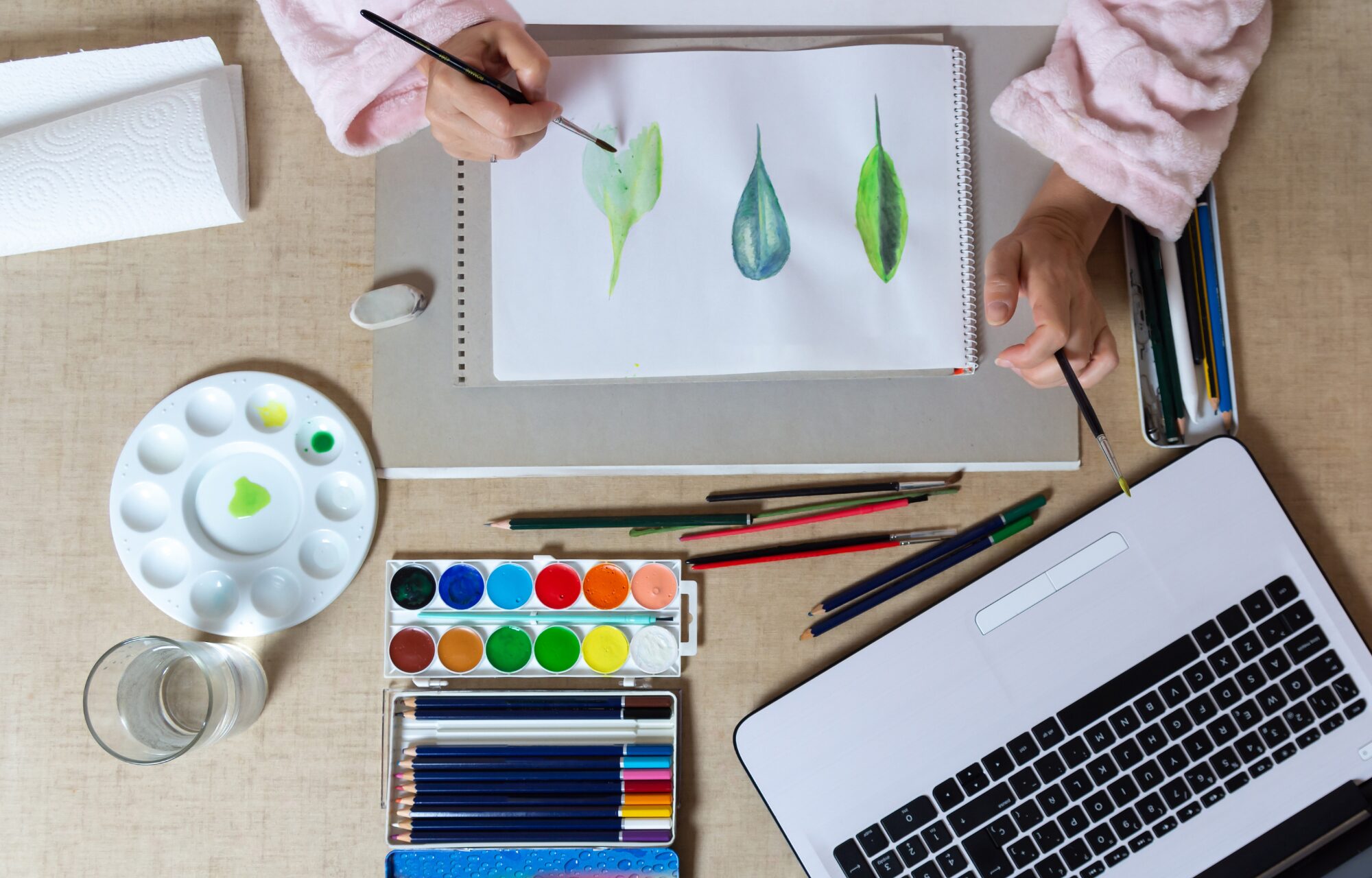
In a brushstroke, a scribble, or a quiet moment with clay, healing can begin. Softly. Kindly. Holistically.
✨ Art therapy reminds us that within each of us lives a creative wisdom — one that knows how to heal when given the space to unfold.
Conclusion
Art therapy gently supports mental wellbeing through creative processes that invite expression beyond words. It offers a calming space where stress can ease, emotions can be explored safely, and self-understanding can naturally unfold.
In Australia, art therapy is practiced in hospitals, schools, community spaces, and private clinics by trained therapists, welcoming people of all ages and backgrounds. Research and lived experiences show that it can help reduce anxiety and trauma-related distress, while nurturing confidence and emotional balance.
When used alongside talking therapies, art therapy can support resilience, personal growth, and a deeper sense of connection to oneself — opening pathways toward a more meaningful and fulfilling life.
Love and Light,
Sarah
