
Benefits
Art Therapy Benefits
Why art therapy works better than traditional psychotherapy
In the hustle and bustle of modern life, many of us seek solace and healing through various forms of therapy. The pressures of daily life, whether from work, relationships, or personal struggles, often necessitate a form of intervention to help us navigate our emotions and mental health. While traditional psychotherapy has long been the go-to method for addressing emotional and psychological challenges, art therapy is increasingly gaining recognition for its unique benefits. This burgeoning form of therapy provides a new lens through which individuals can view their personal experiences and emotional landscapes. Let’s explore why art therapy may offer a more powerful path to healing and personal growth, tapping into the creative potential that lies within us all.
Art therapy is a form of expressive therapy that uses the creative process of making art to improve a person’s physical, mental, and emotional well-being. It is rooted in the belief that creative expression can foster healing and mental well-being. Unlike traditional psychotherapy, which primarily relies on verbal communication, art therapy taps into the nonverbal aspects of the psyche, offering a different avenue for self-expression and healing. This approach allows individuals to bypass the limitations of language and access deeper layers of consciousness and emotion.
The Process of Art as Therapy
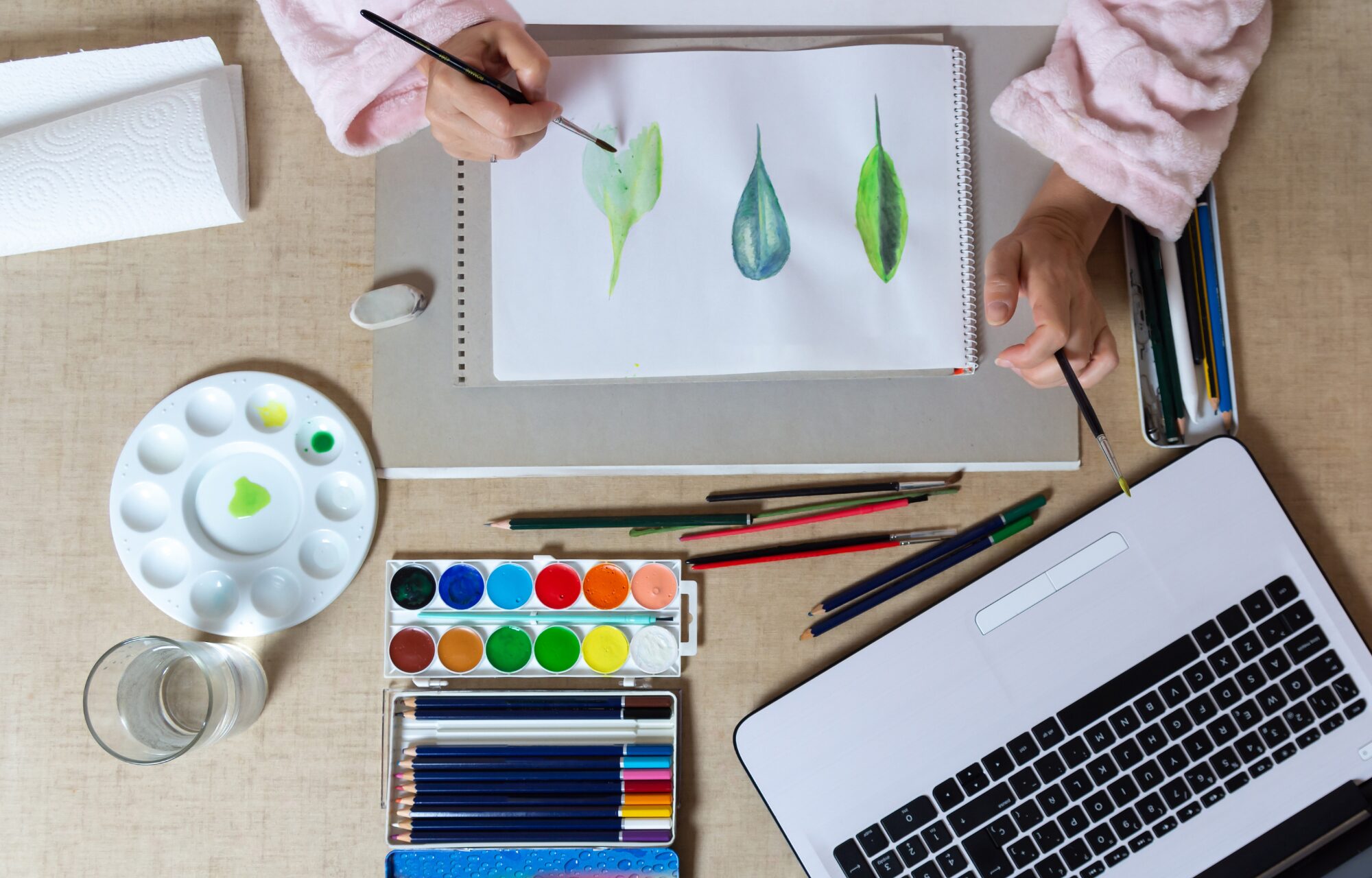
In art therapy, individuals engage in artistic activities such as painting, drawing, or sculpting. These activities become a conduit for expressing inner thoughts and emotions that might be difficult to communicate verbally. The goal isn’t to produce a masterpiece but to allow the creative process to reveal insights and emotions that might not be easily articulated through words. The artwork becomes a visual representation of thoughts and feelings, providing a new perspective on personal experiences. This visual language can serve as a powerful tool for reflection and understanding, helping individuals to uncover and process complex emotions and experiences.
The Benefits of Art Therapy
The benefits of art therapy are numerous, often surpassing those of traditional psychotherapy in various ways. By providing an alternative form of expression, art therapy can unlock new pathways for healing that might remain closed in more conventional settings. Here are some of the key advantages:
Enhanced Self-Expression
Art therapy provides a safe space for individuals to express feelings that may be difficult to verbalize. The act of creating art can help bridge the gap between the conscious and subconscious mind, allowing individuals to tap into hidden emotions and insights. This form of therapy can be particularly beneficial for those who find it challenging to articulate emotions or experiences, such as children or individuals with speech difficulties. Through art, people can communicate their innermost thoughts and feelings without the constraints of language.
Stress Reduction
Engaging in creative activities can be incredibly calming and meditative. The repetitive motions involved in drawing or painting can induce a state of relaxation similar to that achieved through meditation. Art therapy allows individuals to focus their minds on the task at hand, reducing stress and promoting relaxation. This is especially helpful for teachers experiencing burnout or stress from balancing classroom demands and personal life challenges. The structured yet flexible nature of art-making provides a soothing outlet for stress and anxiety.
Emotional Release and Healing
Creating art can serve as an emotional release, helping individuals process and work through difficult emotions. The act of transferring emotions into a physical form can be cathartic, allowing for the safe exploration and release of feelings that might otherwise remain suppressed. This cathartic experience can lead to emotional healing and a greater sense of peace. By externalizing emotions through art, individuals can gain clarity and perspective, facilitating personal growth and emotional resilience.
Building Resilience
Art therapy encourages problem-solving and adaptability, fostering resilience in individuals. The creative process involves experimentation and the willingness to take risks, which can translate into real-life skills. By exploring different artistic mediums and techniques, people learn to approach challenges with a creative mindset, which can be applied to real-life situations. This adaptability and innovation fostered through art therapy can help individuals navigate life’s challenges with increased confidence and resourcefulness.
Improved Self-Esteem and Confidence
Art therapy can boost self-esteem and confidence as individuals gain a sense of accomplishment from their creations. The act of creating something unique and personal can be empowering, instilling a sense of pride and achievement. This positive reinforcement can lead to greater self-acceptance and self-love, empowering individuals to embrace personal growth and change. As individuals witness their progress and development through art, they build a stronger sense of self-worth and capability.
Art Therapy vs. Traditional Psychotherapy
While traditional psychotherapy is highly effective for many, it may not be suitable for everyone. The talking-focused nature of traditional therapy can be limiting for those who struggle with verbal expression or who are uncomfortable discussing personal issues directly. Here’s why art therapy might be a better option for some individuals:
A Holistic Approach
Art therapy takes a holistic approach by engaging the mind, body, and spirit. This comprehensive method can address underlying issues that may not surface through verbal communication alone. By integrating different aspects of the self, art therapy promotes a more balanced and thorough approach to healing. This holistic focus ensures that therapy is not just about resolving immediate issues but also fostering overall well-being and harmony.
Non-Threatening Environment
For some, the traditional therapy setting can feel intimidating or overwhelming. The pressure to articulate feelings verbally can inhibit open communication. Art therapy offers a more relaxed and non-threatening environment, making it easier for individuals to open up and explore their emotions. The focus on creative expression removes some of the barriers to communication, allowing individuals to engage with therapy in a way that feels safe and supportive.
Universal Accessibility
Art therapy is accessible to people of all ages and backgrounds. Its universal nature allows it to transcend cultural, linguistic, and educational barriers. It transcends language barriers and educational levels, making it an inclusive form of therapy that can benefit anyone. This inclusivity makes art therapy a valuable tool for diverse populations, offering healing and support to individuals who might not otherwise have access to therapeutic resources.
How Art Therapy Can Transform Lives
The transformative power of art therapy lies in its ability to foster self-awareness and personal growth. By engaging in creative expression, individuals gain insight into their inner world and develop coping strategies for life’s challenges. This process of exploration and discovery can lead to profound personal change and empowerment.
Real-Life Impact
Consider the story of a teacher experiencing burnout. Through art therapy, they can explore the root causes of their stress and find new ways to manage it. By expressing emotions through art, they build resilience and cultivate a positive mindset that enhances both personal well-being and classroom management. This newfound resilience and understanding can lead to improved professional performance and satisfaction, ultimately benefiting both the individual and their students.
Embracing Positive Change
Art therapy encourages individuals to embrace change and healing by tapping into their creative potential. The creative process allows for experimentation and the exploration of new possibilities. This process not only promotes emotional well-being but also empowers people to lead more fulfilling and enriched lives. By fostering a sense of agency and creativity, art therapy can inspire individuals to pursue personal goals and make meaningful changes in their lives.
Getting Started with Art Therapy
If you’re interested in exploring art therapy, here are some steps to get started:
Find a Qualified Art Therapist
Look for a licensed art therapist who has the credentials and experience to guide you through the process. A professional can provide the support and structure needed to maximize the benefits of art therapy. They can tailor the therapy to your specific needs and help you navigate any challenges that arise during the creative process.
Create a Dedicated Space for Art
Set up a designated area where you can engage in creative activities without distractions. This space should feel comfortable and inviting, encouraging you to explore your artistic expression freely. Having a dedicated space for art-making can help create a sense of ritual and routine, which can be beneficial for mental and emotional health.
Experiment with Different Mediums
Don’t be afraid to try various artistic mediums and techniques. Whether it’s painting, drawing, or sculpting, experimenting with different forms of art can help you discover what resonates most with you. Each medium offers unique opportunities for expression and exploration, allowing you to find the best fit for your personal journey.
Conclusion
Art therapy offers a powerful alternative to traditional psychotherapy, providing unique benefits that can enhance emotional well-being and personal growth. By tapping into the transformative power of creativity, individuals can foster self-awareness, resilience, and healing. Whether you’re a teacher seeking to manage stress or anyone looking to embrace positive change, art therapy can be a valuable tool on your journey to a more fulfilling life. Its accessibility and adaptability make it a suitable option for anyone looking to explore new pathways to healing and self-discovery. Through art, we can uncover the depths of our emotions and find new ways to navigate the complexities of life.
I help adults, including those living with a disability, chronic illness or mental health challenge, to discover and live their life purpose. If you are ready to find a career that matches your abilities, interests and values using a blend of art therapy and career counselling, please contact me.
Love and Light,
Sarah
